
Why a team remembers an experience, not a presentation.
Dopamine, oxytocin, serotonin and endorphin: the Happiness Quartet we build every programme day around – and the research behind it.
The Happiness Quartet: how we design the day
The Happiness Quartet is the framework Dopamine Adventure uses to design every experience. Dopamine, oxytocin, serotonin and endorphin are the four instruments – and we know which moments set them playing: a challenge that moves a limit, a task nobody can finish alone, effort and shared laughter, daylight and recognition from the group. So we compose the day for each of them to play at the right moment – from the morning on the river to the evening circle. The result is a day a team doesn’t just live through, but remembers.
The science is, of course, more complex – hormones and neurotransmitters work together. But the simplification has a purpose: nothing in the day is left to chance. Below is what the research says about each member of the quartet and how we apply it.
 Dopamine – accomplishment
Dopamine is not the pleasure hormone but the hormone of expectation and learning: it is released when the outcome is better than expected, and that is how the brain learns what is worth repeating. In 1997 Wolfram Schultz and colleagues showed that dopamine neurons respond not to the reward itself but to the difference between the expected and the actual outcome (Schultz, Dayan & Montague, Science, 1997).
How we apply it
A team remembers a success it did not expect. We set the task just above what participants think they can do.
 Oxytocin – trust
Oxytocin is the bonding hormone. In 2005 Kosfeld and colleagues showed in Nature that participants given oxytocin in a trust experiment hand more money to an unknown partner – they are more willing to take a social risk, not because they have become naive, but because they bear it more easily (Kosfeld et al., Nature, 2005). Oxytocin rises through physical proximity, shared effort and mutual help.
How we apply it
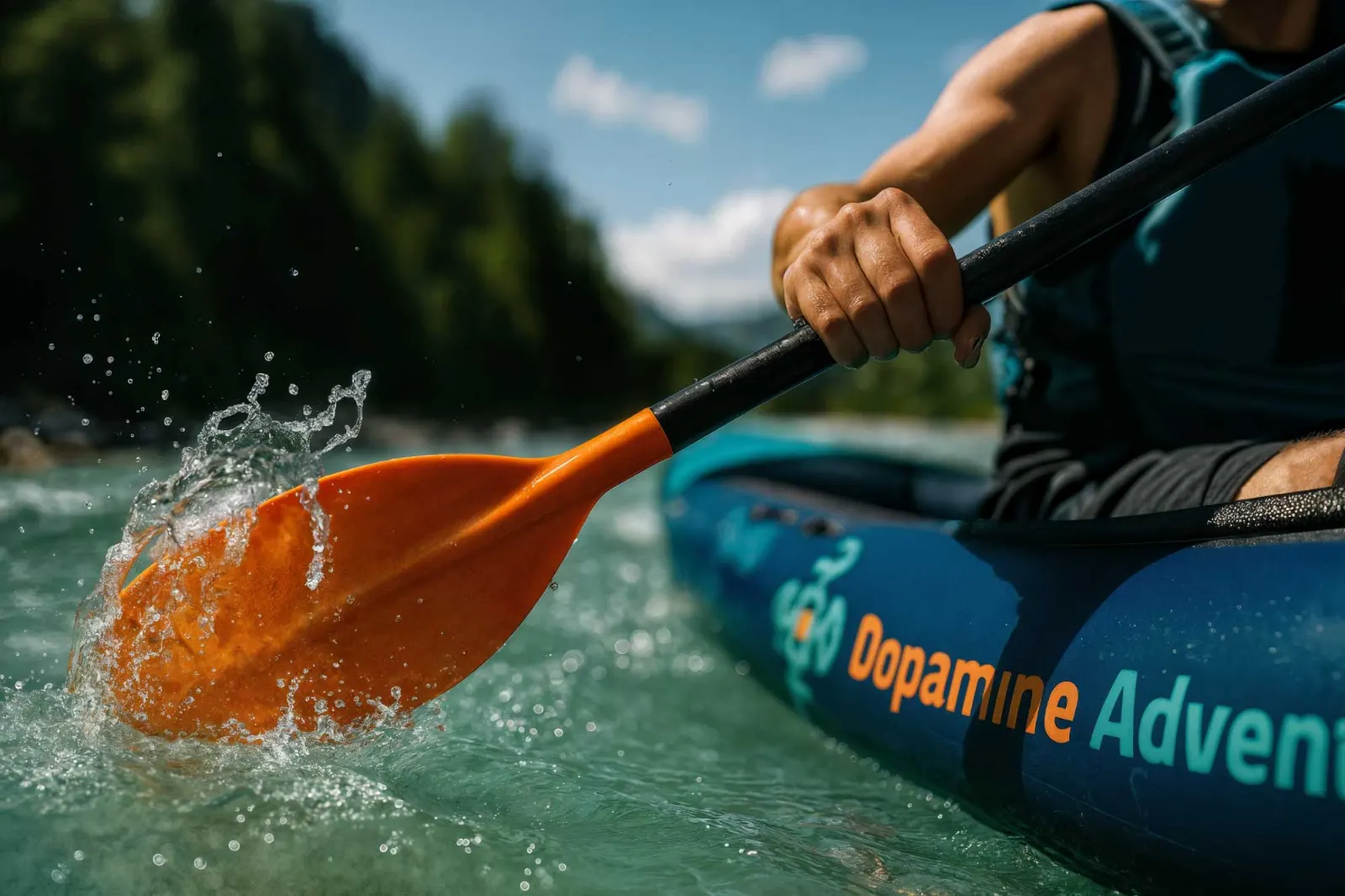
We choose activities nobody can finish alone: two in a kayak, belaying on the via ferrata, a team on the dajak boat.
 Serotonin – stability and a place in the group
Serotonin is linked to mood, patience and the sense of belonging to a group. In 2008 Crockett and colleagues showed in Science that a drop in serotonin increases the tendency to impulsively reject an unfair offer – less patience, more reaction (Crockett et al., Science, 2008). Serotonin rises with daylight, movement and recognition from the group.
How we apply it
After a day in daylight and in motion, participants are more patient and more open; that is why the most important conversation takes place in the evening, in a circle.
 Endorphin – effort and laughter
Endorphins are the body’s painkillers: they are released during physical effort, laughter and synchronised movement. Robin Dunbar and colleagues showed that shared laughter raises the pain threshold – a measurable indicator of endorphins – and strengthens group bonding (Dunbar et al., Proceedings of the Royal Society B, 2012). Cohen and colleagues showed on rowers that synchronised rowing in a team raises the pain threshold more than the same effort alone (Cohen et al., Biology Letters, 2010).
How we apply it
We dose the effort: enough for the body to work, never so much that it gets in the way of the conversation.
The shared table · dopamine on a plate
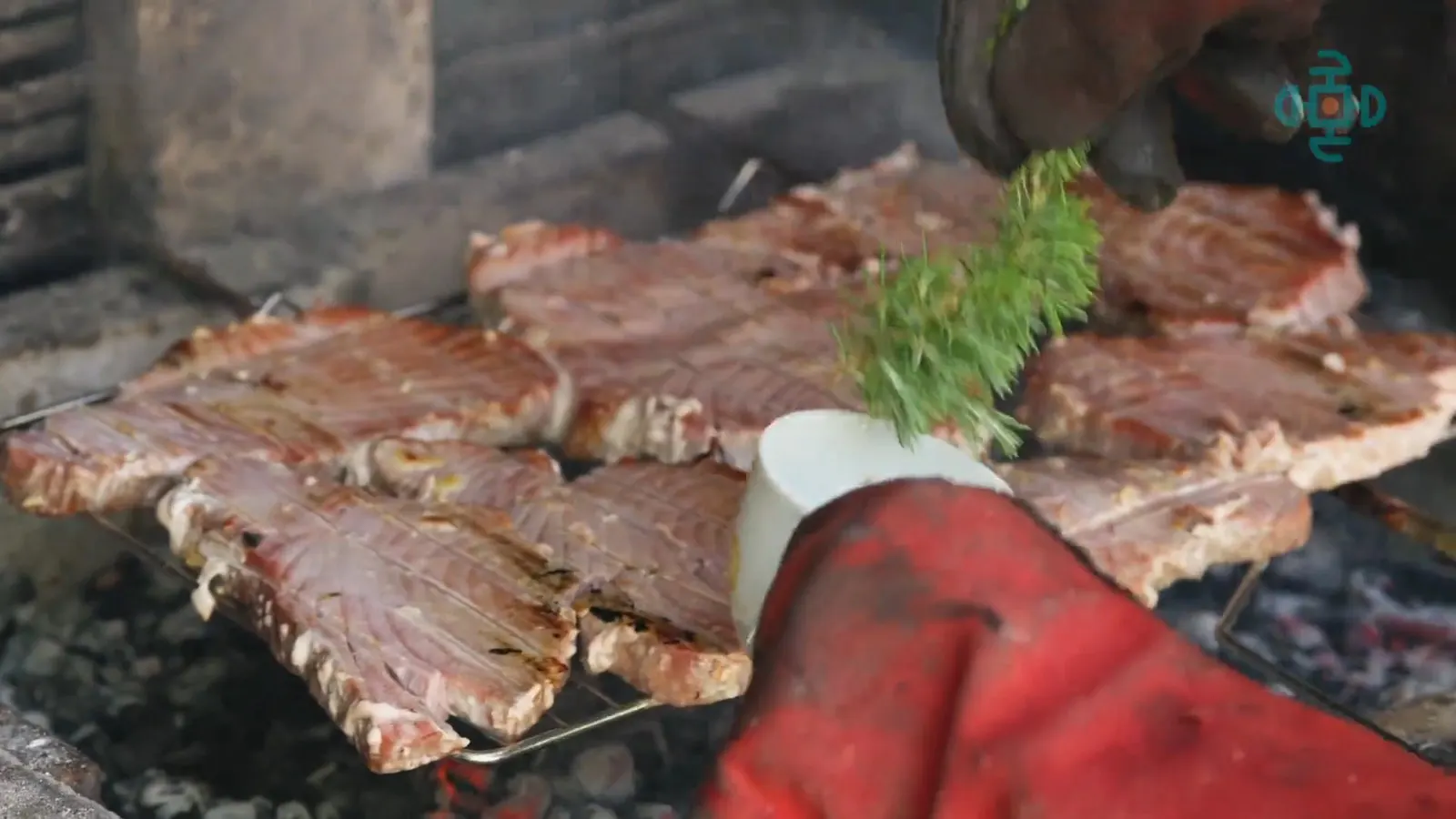
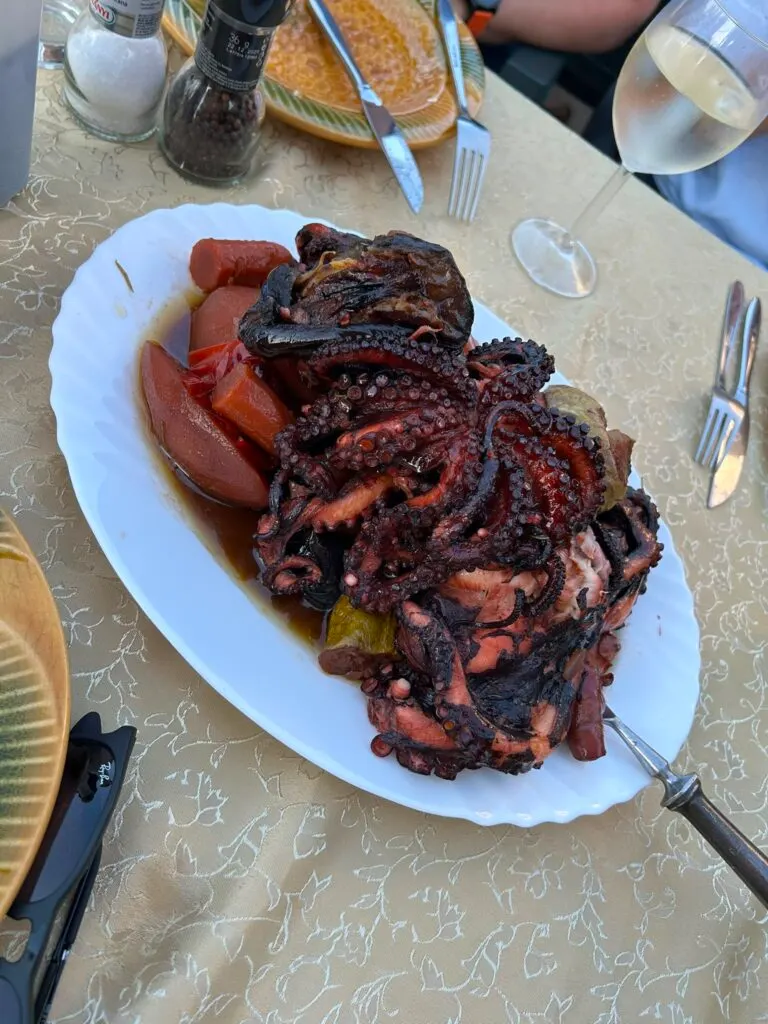
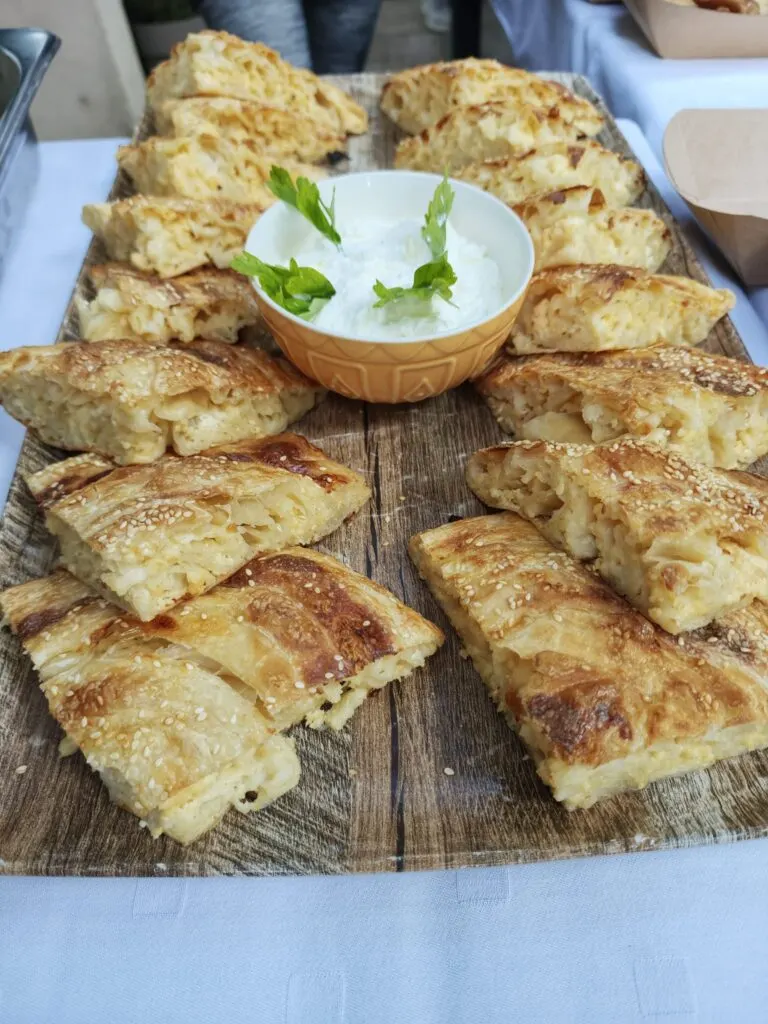
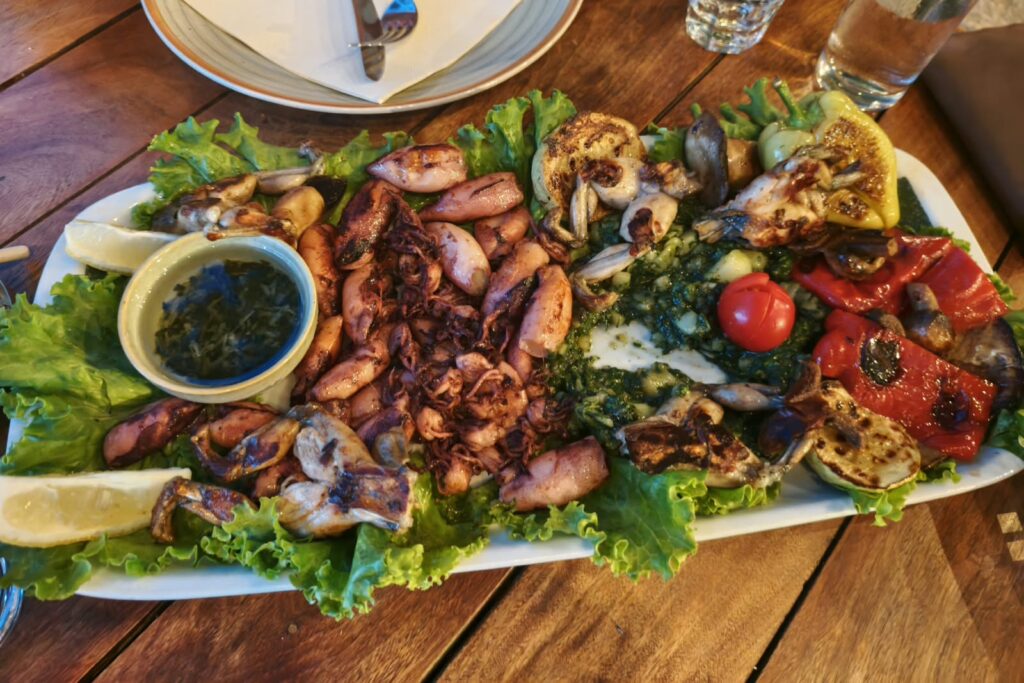
Food isn’t a break in the programme; it’s part of it. The anticipation while the sač smokes and the smell of a grill on Kozara do the same thing a rapid on the Una does: they raise dopamine. So we close the day at the table, with local food and time to talk the day over. That’s where the quartet meets.
How we apply it
The most important conversations on our programmes happen at the table, after the effort. That’s why we never cut it short.
Why outdoors
Nature contributes independently of the programme. In 2008 Berman, Jonides and Kaplan measured that a walk in nature improves attention and working memory compared with a walk in the city (Psychological Science, 2008). In 2015 Bratman and colleagues showed that 90 minutes of walking in nature reduces rumination – repeating the same thoughts – and the activity of the part of the brain linked to it (PNAS, 2015). A tired team gets measurably better concentration.
The structure of the day: effort (endorphin) → shared success (dopamine) → mutual help (oxytocin) → the evening circle (serotonin). We build every programme in that order.
References
- Schultz, W., Dayan, P., & Montague, P. R. (1997). A neural substrate of prediction and reward. Science, 275(5306), 1593–1599.
- Kosfeld, M., Heinrichs, M., Zak, P. J., Fischbacher, U., & Fehr, E. (2005). Oxytocin increases trust in humans. Nature, 435, 673–676.
- Crockett, M. J., Clark, L., Tabibnia, G., Lieberman, M. D., & Robbins, T. W. (2008). Serotonin modulates behavioral reactions to unfairness. Science, 320(5884), 1739.
- Dunbar, R. I. M., et al. (2012). Social laughter is correlated with an elevated pain threshold. Proceedings of the Royal Society B, 279(1731), 1161–1167.
- Cohen, E. E. A., Ejsmond-Frey, R., Knight, N., & Dunbar, R. I. M. (2010). Rowers’ high: behavioural synchrony is correlated with elevated pain thresholds. Biology Letters, 6(1), 106–108.
- Berman, M. G., Jonides, J., & Kaplan, S. (2008). The cognitive benefits of interacting with nature. Psychological Science, 19(12), 1207–1212.
- Bratman, G. N., Hamilton, J. P., Hahn, K. S., Daily, G. C., & Gross, J. J. (2015). Nature experience reduces rumination and subgenual prefrontal cortex activation. PNAS, 112(28), 8567–8572.
Also read the other Knowledge articles, or see what this structure looks like in practice →
Want to see what this structure looks like for your team? First three minutes, then half an hour.